

Written by Way With Words Team
Captioning for All: Enhancing Diverse Content Types
Captioning services, both video captions and audio captions, adapt flexibly across a range of content, making them indispensable in multimedia.
Captioning for All: Enhancing Diverse Content Types
Are Captioning Services Suitable for all Types of Content?
Digital content now appears in every format, from films to webinars to short social clips. Captions help people understand that content in more situations and on more devices.
So, do captioning services work across all content types? In most cases, yes. The key is to match the caption approach to the format and audience.
Common Questions:
- How do captioning services enhance the viewing experience for different types of content?
- What are the specific benefits of captions in educational versus entertainment content?
- How can captioning improve the reach and effectiveness of marketing and advertising?
The Broad Spectrum of Captioning Suitability
Captioning services, including both video captions and audio captions, adapt flexibly across a diverse range of content, making them indispensable in today’s multimedia environment.
Here’s a look at ten critical areas where captioning shines:
#1 Movies and Television
Captions not only serve the hearing impaired but also enhance the viewing experience for audiences in noisy environments or in situations where the audio cannot be played. Studies show that captioning can aid in comprehension and retention of plot nuances, especially in films with complex narratives or heavy accents.
#2 Educational Content
In educational settings, captions are critical for ensuring that all learners, regardless of hearing ability or language proficiency, have equal access to information. Captions can reinforce learning by synchronising text with spoken words, aiding in better recall and understanding.

#3 Podcasts and Radio
With the rising popularity of podcasts, captioning suitability extends to audio-only content as well. Captions can transform the podcast experience by providing a text-based alternative to audio, making content accessible to those who are deaf or hard of hearing and those who prefer reading to listening.
#4 Corporate Training and Webinars
Captions are a boon for training sessions and webinars, where clear communication and retention of information are crucial. They help in catering to a diverse workforce that includes non-native speakers and individuals with different learning preferences.
#5 Marketing and Advertising
Video captions can significantly boost engagement and SEO rankings. Captions ensure that video content is consumable in silent auto play environments like social media platforms, enhancing message delivery and viewer retention.
#6 Public Speaking and Events
Live captioning services are increasingly common at conferences and public events, ensuring inclusivity and aiding audience members who might miss spoken words due to acoustics or distance from the speaker.
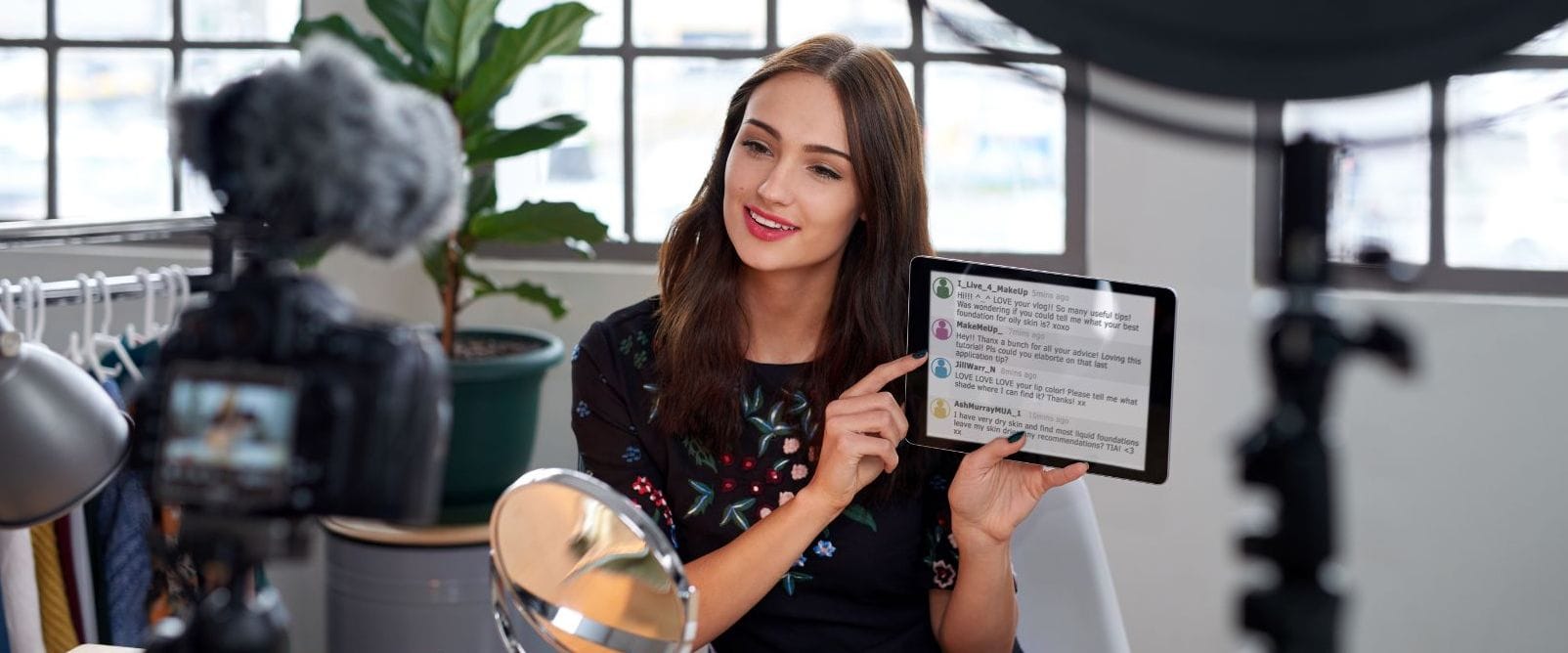
#7 Social Media Videos
Captions on social media videos not only cater to accessibility needs but also increase view times and engagement rates. Social media platforms often play videos without sound by default, making captions crucial for capturing viewer attention.
#8 Video Games
The gaming industry is recognising the importance of captions for immersive gameplay, especially in narrative-driven games where story elements are key to the overall experience.
#9 Teleconferences and Virtual Meetings
As remote work becomes more prevalent, captioning in teleconferences and virtual meetings ensures that all participants, regardless of hearing ability or audio quality, can follow discussions accurately.
#10 Accessibility in Public Services
For government and public service videos, captions are not just an enhancement but a requirement to meet legal standards for accessibility, ensuring that information is available to everyone.
Key Tips for Implementing Effective Captioning
- Ensure captions are accurate and reflect the tone and context of the spoken content.
- Customise captions for the target audience’s needs, including font size, colour, and synchronisation with audio.
- Regularly update captioning technology and practices to handle diverse dialects and accents.
- Consider the cultural nuances in translations when captioning for global audiences.
- Conduct human quality checks on captions to maintain high standards of accuracy and compliance.
Feature: Way With Words – Precision Captioning at Your Fingertips
Way With Words stands at the forefront of captioning innovation, offering tailored solutions that ensure perfection in accuracy and format for various platforms like video, YouTube, Vimeo, and more. With a commitment to human oversight, any automated captions undergo thorough checks by professionals to guarantee quality. All caption transcripts are GDPR compliant, ensuring data protection and privacy.
Captioning is more than just a service; it’s a powerful tool that transforms the accessibility, engagement, and reach of content across mediums. From entertainment to education and marketing, the versatility of captioning makes it suitable for virtually all types of content. As media continues to evolve, the role of captions in enhancing understanding and inclusivity cannot be overstated.
Related blog articles
- Unlocking the Benefits of Professional Captioning Services
- Beginner Captioning: A Guide to Getting Started for Success
- Navigating Captioning Services: Your Best Options Explained
- Caption Customisation: Tailoring Content for Your Audience
- Captioning News Broadcasts: Enhance Accessibility and Engagement
- Top Free Captioning and Open-Source Tools for Your Videos
- Multilingual Video Captions: Handling Diverse Content
Captioning The Right Way – Resources
World Health Organisation: Captioning and Accessibility
Way With Words – Your ultimate solution for all your captioning needs and custom requirements.
Captioning not only meets a legal or ethical requirement; it also opens up worlds of opportunity for creators and audiences alike, ensuring that every voice is heard and every word is captured.
Professional transcription services
Need publication-ready transcripts or polished machine output? Explore our core services: